
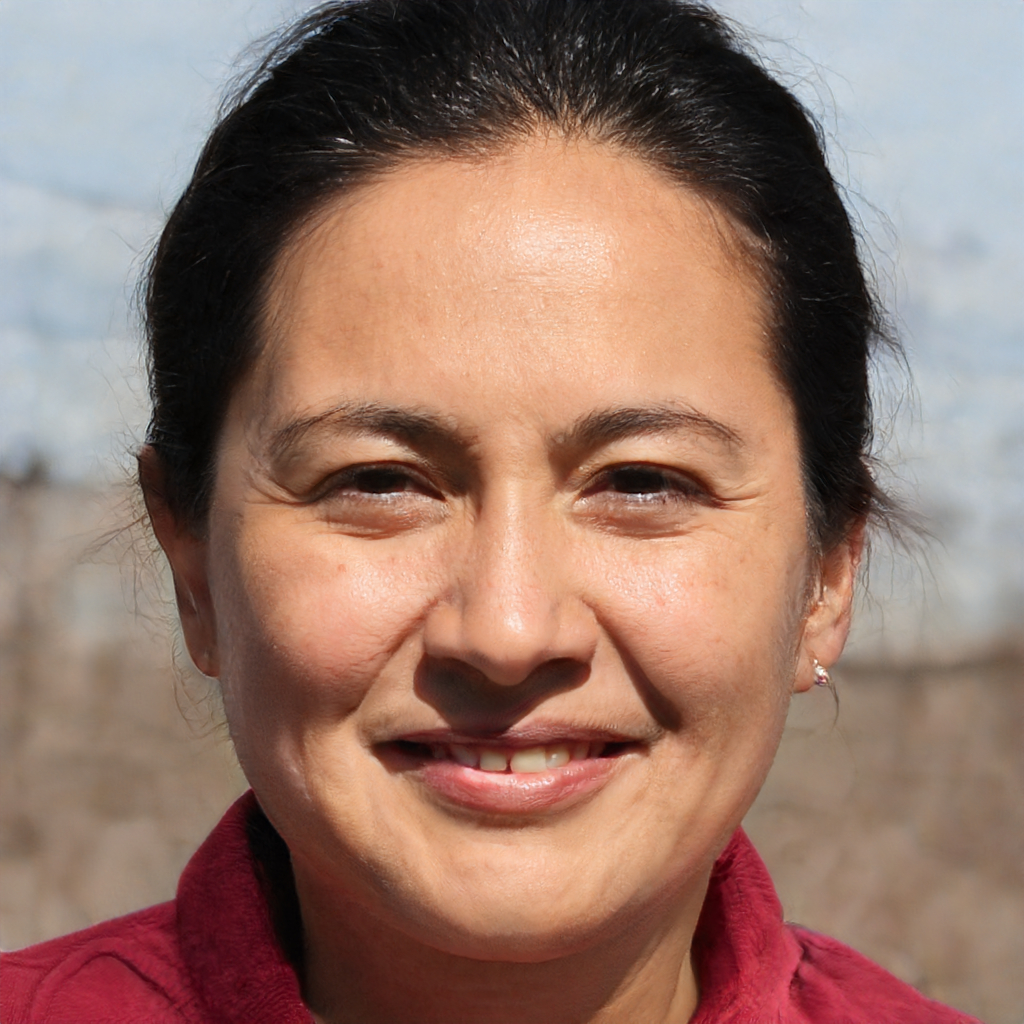
The ginger ale in the crystal tumbler tasted faintly of hotel tap water, but I did not put it down because I needed something to do with my hands while the room filled up with people who called themselves executives. Marisol sat right beside me at table four, smoothing the skirt of her navy dress with those little pearl buttons she had sewn on herself two nights before. She told me she was not nervous, but I had known Marisol since 1998 when she was selling tamales out of a blue cooler behind St. Jude’s just to pay for her second Hobart mixer, and I knew the way her thumb rubbed the gold cross Miguel gave her back when they still shared a single pair of work boots.
The ballroom at the Cary Marriott smelled like baked ham, expensive perfume, and thirty years of corporate carpet shampoo. Down at the front, a twenty-foot banner hung across the wall with twenty-five years of Delgado Foods written in big gold lettering. Miguel’s face was up there twice, smiling in that loud way he had before his heart gave out in the driveway. Daniel and Luis were up there too in their slim-cut suits, looking very important and managerial. And right beside them, smiling with his teeth showing, was Bryce Keller, who had been the vice president of brand development for exactly nine months and managed to spell Marisol’s maiden name wrong on the quarterly report.
I came along tonight because Marisol hated driving the interstate after dark, and because somebody had to sit next to her when the speeches started.
We walked up to the check-in table together at 6:45. A young woman with a clipboard smiled at us until she saw Marisol’s face, then looked down at her seating chart like she was trying to read Sanskrit.
Bryce Keller appeared from behind a partition with a folder tucked under his arm, looking like he had a very important golf game to get to tomorrow morning. He glanced at Marisol’s name tag, which simply said Marisol Delgado with no title beneath it, and his eyebrows went up.
Kitchen staff are through the side hall, he said, pointing a silver pen toward the service doors.
Marisol looked at him, her hands resting calmly on the clasp of her red leather purse. I’m Marisol Delgado.
Right, Bryce said, not even looking up from his phone screen to verify her face against the ones on the banner. We need you in back. Short on kitchen ladies tonight, and table four needs extra water pitchers anyway. Here.
He reached behind the skirted table and lifted a stiff, folded black apron by its cotton straps, holding it out toward her like he was handing a towel to a pool attendant.
The fabric was heavy and smelled of starch from the industrial laundry service.
I felt my face turn hot enough to fry an egg right there on the carpet. My mouth opened to tell him exactly who he was talking to, but Marisol touched my forearm with two fingers. Her skin was cool.
She looked across the room at the banner where her own face had been cropped out of the original 1999 storefront photograph and replaced with a high-resolution shot of a jalapeño pepper. She looked at her sons laughing with three grocery distributors from Atlanta who probably thought Delgado Foods was founded by venture capitalists in a glass tower.
That was the part that made my stomach turn. Not the apron. The way they had sanded her down until she looked like an extra in her own life.
Marisol took the apron from Bryce’s hand. She turned it over once, checking the stitching on the pocket like she was inspecting a bolt of denim at the textile mill. Then she looked right into his eyes.
Find me a pen.
Bryce laughed, a short little bark that sounded like a dog behind a fence. He probably thought she wanted to sign up for her hourly shift right then and there. Go on through the side doors, he said, waving us off. Someone will show you the Hobart.
I followed Marisol down the carpeted hallway toward the ladies’ room, my heels clicking too loud on the tile. As soon as the heavy oak door swung shut behind us, I let out a breath that felt like smoke.
Are you losing your mind? I whispered, grabbing her sleeve. You built this company out of a two-car garage with a Coleman stove and three sacks of masa. Why are you taking an apron from that boy?
Marisol opened her red purse. Inside sat her rosary, a pack of mints, and a thick, rectangular manila envelope held shut with two brass metal prongs that had rusted slightly at the edges. She pulled it out and tapped it against her palm twice.
Quiet does not mean empty, Martha, she said, her voice steady as church bread. My boys forgot who signed the loan at First Citizens bank when the roof leaked in twenty-one. Now give me that pen you keep in your purse for your crossword puzzles.
I handed her my black felt-tip bic. She didn’t sign anything, but she tucked the envelope right under her arm like a ledger.
We walked back into the ballroom just as the house lights dimmed for the main course. Daniel was up on the stage by then, tapping the silver microphone until the feedback squealed through the speakers. He was wearing the suit Miguel was buried in, though they had let out the shoulders a little bit so it didn’t pull when he gestured.
My father started this company with a dream and a single recipe, Daniel told the room into the microphone, his voice echoing off the maple-veneered walls. He built Delgado Foods from the ground up through sheer grit and vision.
He didn’t mention the three winters Marisol drove the Chevy Astro van with a broken heater core to deliver salsa to the Piggly Wiggly in Lumberton because the driver quit. He didn’t mention her pawning her mother’s gold earrings to make payroll when the vinegar shipment went sour.
Luis clapped from the side table where the regional managers sat. Bryce Keller was nodding along like he had been there stirring the pots in ninety-nine.
Marisol walked straight down the center aisle between tables four and five. People turned to look, murmuring because she wasn’t sitting down for the prime rib. She moved with that slow, deliberate church-supper walk she used when she carried the heavy silver communion tray down the aisle during Lent.
Bryce stepped out from behind the dessert cart to block her path, still holding the black apron rolled into a cylinder.
Excuse me, ma’am, he said, his voice dropping into that smooth corporate tone that makes you want to check your wallet. The kitchen is down the hall. We don’t need guests wandering behind the partition while the partners are speaking.
Marisol did not stop walking. She didn’t even slow down. She stepped right past him, her small shoulder brushing his tailored lapel, and walked up the three wooden steps to the stage.
Daniel stopped mid-sentence with his mouth half-open, holding the microphone six inches from his chin. Mother? What are you doing up here? We’re in the middle of the twenty-year retrospective.
Marisol placed the thick manila envelope right on the center of the wooden podium, right beside Daniel’s leather-bound notes. She reached out and pulled the microphone down three inches so it stopped whistling in her ears.
The room went so quiet you could hear the ice machine clicking away in the service pantry through the double doors.
You forgot the first page, Daniel, she said, and her voice didn’t even shake.
She flicked the brass prongs open with her thumb and pulled out a heavy piece of cream-colored paper with the state seal of North Carolina stamped in red wax at the top, dated March 14, 1999. Below it lay the original stock certificate showing one hundred shares issued to Marisol Delgado, and zero to anyone else.
Bryce took two steps up the stairs, his face the color of skim milk. That’s just historical housekeeping, Mrs. Delgado. The restructuring agreement of two thousand, Marisol didn’t look at him. She looked straight out at the three hundred and twelve people sitting at round tables with lime centerpieces, people who had bought salsa from her porch before there was a warehouse, people who knew her name before it was a brand on a label.
The restructuring agreement was signed by my sons after their father passed, while I was visiting my sister in Puebla, she told the room, and every word hit the back wall like a dropped fork. They forgot that you cannot assign a trademark you do not own, and you cannot rebrand a company whose incorporation papers are in your mother’s maiden name.
Daniel reached out a hand toward the envelope like he wanted to shove it back into the folder. Don’t do this, Ma. Not in front of the distributors. Not here.
You wanted a legacy activation, Bryce, Marisol said, turning her head slightly toward the vice president where he stood frozen beside the water pitcher. Here is the foundation.
She laid her hand flat on the manila paper. The room stayed dead silent for five full seconds, nobody chewing, nobody moving, just thirty years of salt and vinegar hanging in the air between the chandeliers. Then she picked up her red purse, turned her back on the stage, and walked back down the steps toward the exit without looking at her sons once.
I stood up from table four and followed her down the aisle, my hand shaking just a little as I held my glass of ginger ale. Nobody tried to stop us. The double doors swung shut behind us with a soft, padded click, and for the first time all evening, the hallway was cool and quiet.