
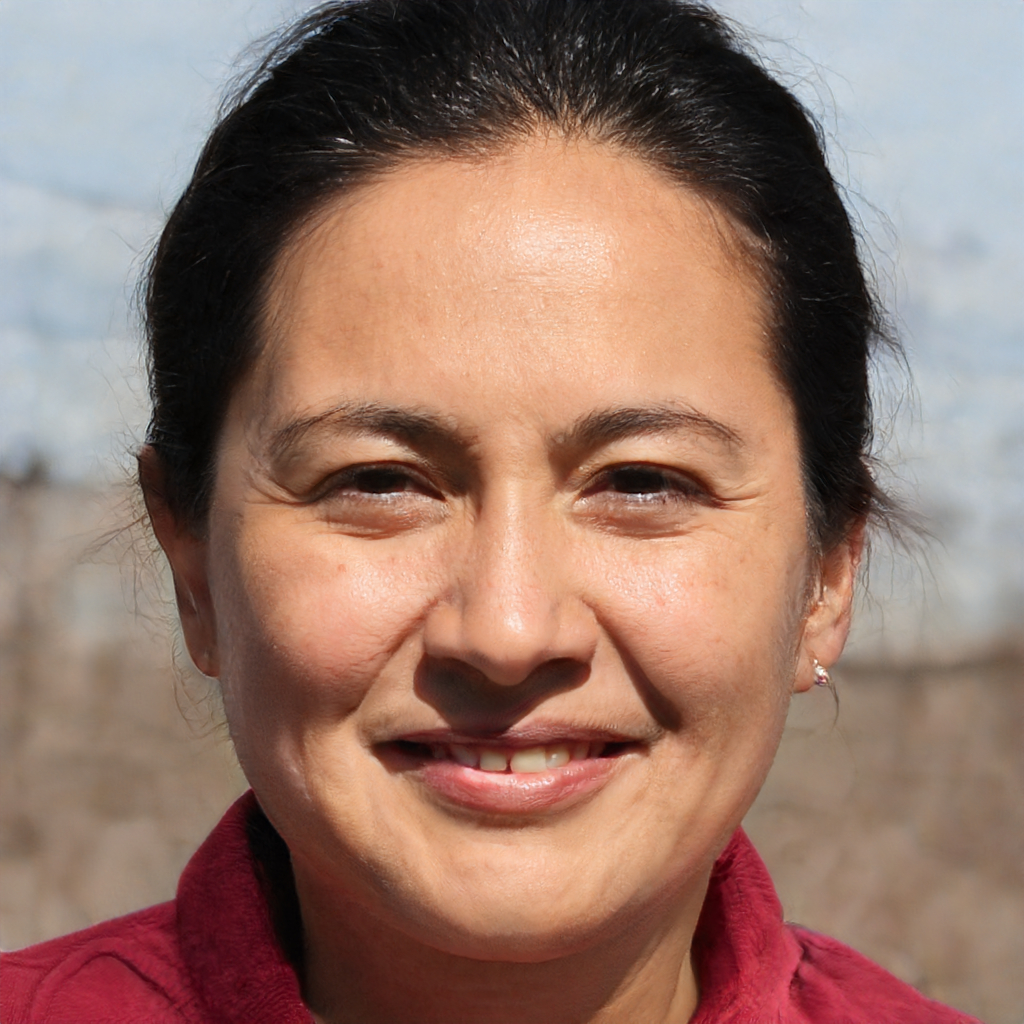
My mother, Faye, was sitting at the laminate kitchen table with two blue ice packs pressed against her knuckles when my father walked in wearing his Sunday golf jacket. It was 7:40 in the morning on a Tuesday in March, and the rain was hammering hard enough against the side of the house to rattle the aluminum siding. She had fourteen payroll checks to clear by noon, and her hands always locked up like rusted hinges when the weather turned wet.
I had only stopped by because she called me the night before asking for an extra box of printer ink for the old desktop computer she used to log every load of gravel that rolled out of the yard.
Dad dropped a thick manila envelope right on top of her yellow legal pad without taking off his windbreaker. He looked too clean for a Tuesday morning, smelling faintly of citrus cologne and fresh coffee from the clubhouse down the highway. I remember the sound of the zipper on his jacket sliding down because it was the only noise in the room besides the refrigerator motor humming in the corner. He didn’t sit down. He just planted both palms on the edge of the table and stared out the window toward the equipment sheds.
“I filed,” he said.
Faye didn’t look up from her ice packs right away. She just kept her eyes fixed on the blue plastic melting against her swollen skin.
She had spent twenty-nine years running Carter Hauling out of the spare bedroom while he drove the routes and shook hands at the diner. Her name wasn’t on the door of the three Kenworth trucks parked outside because she told him back in 1994 that men in this county trusted a family name more than a partnership. That was her first mistake, or so she used to say when she was tired enough to cry over the ledger books at midnight.
“File for what?” she asked. Her voice didn’t shake. It just sounded dry, like autumn leaves dragged across concrete.
“You know what,” he said, shifting his weight from one golf shoe to the other. “Patrice and I want to start fresh down in Hot Springs. She’s fifty-four, she’s got plenty of life left in her, and frankly, I need someone with energy left.”
The blue ice pack slipped out from under her thumb and landed on the linoleum with a heavy, wet slap.
I bent down to grab it before I did something stupid with the box of printer ink in my hand. Dad didn’t even look down at the floor. He just kept talking about how his lawyer said the house and half the equipment would be more than enough for a woman her age. A woman her age. Like she was an old piece of farm machinery you traded in for a newer model with fewer miles on the transmission.
Faye finally reached out and picked up the manila envelope. She didn’t tear it open with her fingers like normal people. She used the corner of her metal staple remover to slice the paper clean, slow and deliberate, the way she used to cut open invoices from the parts supplier when money was so tight we ate pinto beans five nights a week. She pulled out the court summons and read the first page. Then she turned to the second page. Her thumb pressed into the corner of the paper until her nail turned white, but her face stayed completely blank.
“Does she know about the tax lien from the bridge job?” Faye asked.
Dad blinked. His mouth stayed half open for a second. “What lien? That was cleared up years ago.”
“Not the federal one,” Faye said, her voice dropping down to that flat, quiet register she used whenever one of the drivers tried to lie about a mileage log. “The county drainage lien from when you dumped thirty loads of fill dirt on the creek easement without a permit. It’s attached to the title of every truck in the lower yard.”
He didn’t answer. He just reached down, grabbed his golf bag strap from where he’d propped it against the wall, and muttered something about his lawyer handling the details. The screen door banged shut behind him, and a minute later his pickup kicked up gravel as he tore down the lane toward the highway. I stood there holding the wet ice pack, waiting for her to break down the way she did when the dryer died or when her sister passed away back in November.
She didn’t cry. She stood up, her knees making a sharp, cracking sound that made me wince, and walked over to the hall closet behind the coats. She pushed aside an old wicker hamper and a box of Christmas garland until her hand hit the back wall. Then she dragged out a heavy metal lockbox painted government green. The key was sitting right where it had been since the Reagan administration, tucked behind the pocket of her winter wool coat.
She set the green box on the table and flicked the brass latches open. Inside was a thick stack of onionskin paper held together by a rusty binder clip. It was the original operating agreement from November 1994, typed on an IBM Selectric by a lawyer in town who had been dead for twenty years. I sat down across from her because my legs suddenly felt hollow. I had never seen the inside of that box, even though I grew up in the back seat of a Ford pickup while my parents hauled gravel from dawn until dark.
Faye flipped straight to schedule B. Her fingernail, trimmed short and neat, traced the line where capital contributions were listed in faded purple ink. Robert Carter: labor and equipment maintenance, sixty-three thousand dollars in sweat equity over three years. Linda Carter: sixty-three thousand dollars cash from her grandmother’s estate, bookkeeping systems, and sole title to the three original acres the barn sat on.
Ownership units: Linda, sixty-one percent. Robert, thirty-nine percent.
I actually let out a short, sharp laugh, half out of disbelief and half because the sheer weight of his stupidity was almost funny. Faye didn’t crack a smile. She just reached for the landline phone on the counter and punched in the direct number for Mr. Levin, the accountant who had handled their taxes since the business was run out of a cigar box. He answered on the second ring, his voice raspy with morning static.
“Faye,” Mr. Levin said before she could even get the word out. “I wondered when the old man would get stupid enough to try this.”
That was the first time I saw her smile all morning, and it wasn’t a kind smile. It was the look she used to give the supply houses when they tried to short us on grading gravel. She told him to pull the 1994 records and meet her downtown at the courthouse before noon. Then she went to her bedroom and came out five minutes later wearing her rosewood lipstick, the exact shade she wore to my wedding and my sister’s graduation. Her hands shook so badly she missed the corner of her lip, and I had to lean over with a damp paper towel to wipe the smudge away, pressing my thumb against her cheek just to make sure she was real.
At 9:16, Mr. Levin called back while we were sitting in her Buick in the gravel drive. I heard his voice through the dashboard speaker because she had the Bluetooth turned up high. He didn’t sound like a tired old accountant anymore. He sounded sharp and fast, like he was reading a death certificate.
“Linda,” Mr. Levin said, and I could hear the rustle of papers on his end of the line. “Before we send this over to your attorney, I need you to confirm one thing about the contract Patrice signed last week to buy that house down by the lake with Robert.”
Faye put her hand on the steering wheel, right over the worn spot where the leather had peeled away from the rubber ring. “What contract?” she asked.
“Robert used his projected payout from the buyout as collateral for the earnest money,” Mr. Levin said, and I heard him take a slow breath through his teeth. “He signed a personal guarantee using sixty percent of company assets as a binder. Except he only owns thirty-nine percent, Linda. And you haven’t signed a corporate resolution since the Bush administration.”
Faye looked out the windshield at the three Kenworth trucks idling in the rain, their exhaust pipes pumping grey smoke into the heavy morning air. She didn’t say a word for a long time. The wipers went *thwack-thwack* against the glass, slow and rhythmic, keeping time with the kitchen clock inside. Then she shifted the Buick into reverse, looked at me through the rearview mirror, and put her foot down on the gas without turning on the heater.
“Let’s go see what his lawyer has to say about that energy of his,” she said.