
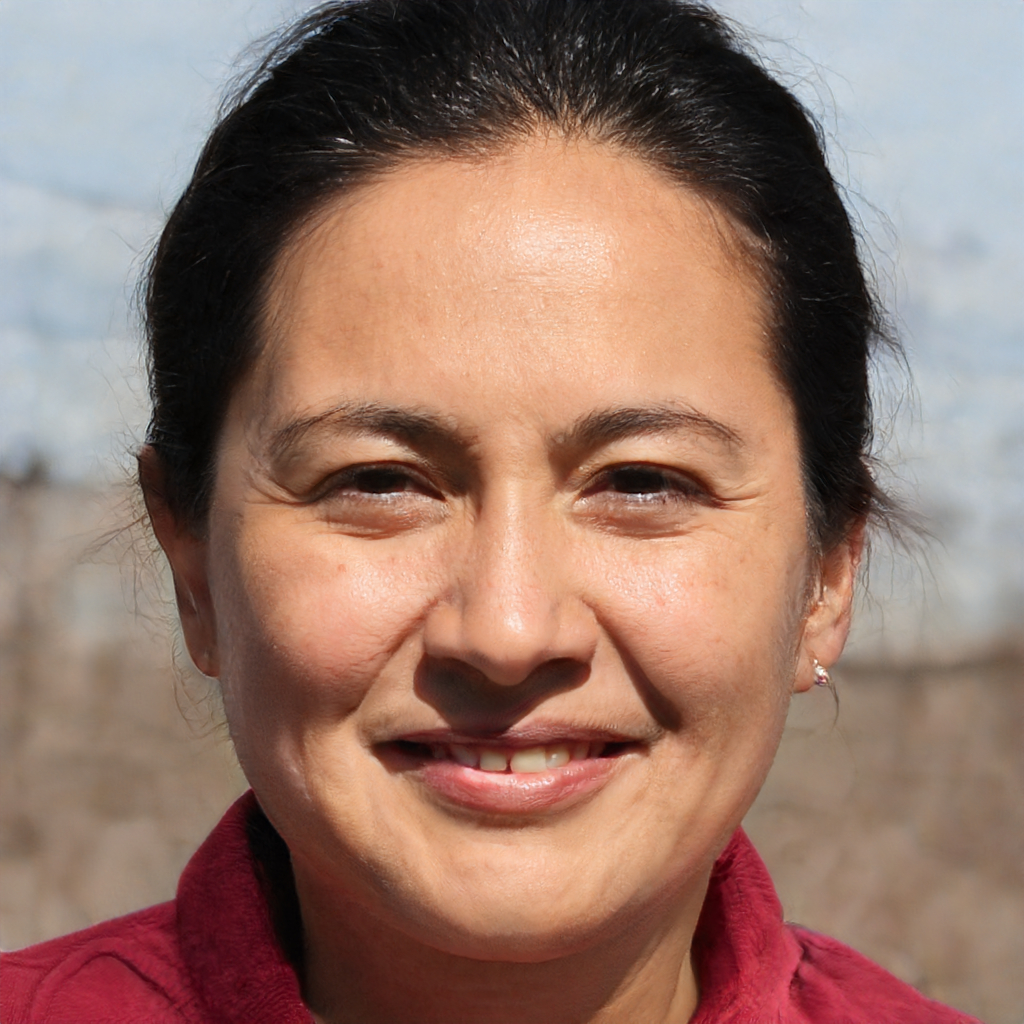
Beth is the kind of person who keeps a backup supply of printer ink in a color-coded bin. She is not a woman who leaves things to chance. When she called me at 8:12 that morning, her voice was so flat it made my teeth ache. She didn’t say she was in trouble. She just asked if I could come over to help her with a document. I knew before I even put my shoes on that the quiet, orderly life she had built for eleven years was about to go up in smoke.
When I arrived, the kitchen smelled like burnt toast. It is her tell. Whenever the world starts tilting, she burns the bread. She was sitting at the table in her robe with her laptop open, one slipper missing, and my grandson’s cereal bowl still sitting there with the little oat moons turning into mush. She didn’t look up when I walked in. She just pointed at the screen.
I sat down and looked. It was a rewards statement for a hotel chain. She had been trying to print it for their accountant, but the system had glitched and pulled a summary of every stay from the last eighteen months. There were fourteen of them. Nashville, Tulsa, Savannah, Charlotte. All charged to the company card her husband, Curtis, supposedly used for his equipment sales trips.
Curtis was a man of many explanations. He was always in the middle of a warehouse with no signal, or he was stuck in a client dinner that ran until midnight, or he was sharing a room with a colleague to keep the travel costs down.
He had built a bridge over every hole in his story for over a decade.
Beth pointed to a line item from Savannah. It was for two nights in April. I felt a cold prickle start at the base of my neck. I remembered that April. Beth had taken our youngest, Riley, to the emergency room in the middle of the night with a fever that wouldn’t break. Curtis had texted that he was stranded in a warehouse outside Memphis and wished he could be home. I had sat in the waiting room for six hours, holding Riley’s shoes in my lap because he had thrown up on them. I spent an hour scrubbing the vomit out of the mesh with hand soap that smelled like cheap peaches.
“He said he was in Memphis,” Beth whispered. She didn’t look at me. “He sent me a picture of the warehouse ceiling.”
I leaned in closer. The entry for Savannah had a guest note attached. Welcome back, Mr. and Mrs. Harlan. Beth read that line three times. Her finger traced the letters on the screen like she was trying to scrub them away. She tried to tell herself it was an auto-fill error, or a glitch in the rewards program, but we both knew better. We were looking at a map of a double life.
She called him on speakerphone. I sat there and watched her hand tighten into a fist. When Curtis answered, he sounded like a man being asked to explain the color of the sky. He was annoyed. He told her she was too tired to understand how receipts worked. He told her she was seeing things that weren’t there because she spent too much time managing the house.
“I haven’t been to Savannah in my life,” he said.
“The statement says two nights, Curtis,” Beth replied. Her voice didn’t shake. It was perfectly, terrifyingly still.
He just laughed. It was a short, dry sound that didn’t have any humor in it. “You’re too tired to understand receipts. Just print the summary and put it in the folder.”
Beth hung up. She didn’t argue. She didn’t scream. She just closed the laptop and looked at me. I saw the exact moment the bridge she had built for him collapsed. It wasn’t loud. It was just a quiet settling of dust. She went to the bathroom and washed her face, and when she came out, she was wearing jeans and a sweater. She grabbed her keys and said, “Drive me.”
The Hampton Inn off Exit 86 wasn’t a place for secrets. It was a place for exhausted salesmen and families stopping for the night on the way to Disney. It sat behind a Cracker Barrel that smelled like bacon grease and a gas station that sold boiled peanuts. Beth walked through the sliding glass doors like she was on a mission. She didn’t look at the decor. She didn’t look at the people. She went straight to the desk.
The woman behind the counter was named Monique. Her name tag was crooked, and she looked like she had been dealing with grumpy travelers since dawn. Beth laid the printed statement on the desk and put her driver’s license next to it. She didn’t ask for a favor. She asked for an explanation.
“I’m not looking for trouble,” Beth said. “I’m just asking why my husband’s account says Mr. and Mrs. Harlan when I was home in another state.”
Monique looked at the paper. She looked at Beth’s face, which was pale and set. There was a printer behind the desk making a steady, rhythmic clicking sound, like a clock counting down. I remember how loud it sounded in the small lobby. Monique started to say she couldn’t give out private information, but then she looked at Beth again. She saw the wedding ring. She saw the genuine, hollowed-out confusion.
“I can’t tell you what happened in the room,” Monique said softly. “But I can email the folio to the address on the account.”
Beth nodded. “Send it.”
The screen flickered. The email address on the account was Curtis’s, but there was a second one listed under the guest preferences. It was a personal email. Beth reached out and put her hand flat on the counter, as if she were trying to ground herself. Monique leaned in, her eyes flicking toward the security camera in the corner before she turned the screen just enough for us to see the secondary guest listed under the Savannah stay.
She didn’t read the name out loud at first. She just tapped it with a long, pink fingernail. “Ma’am, do you know a Rachel Donnelly?”
My blood went cold. I knew exactly who Rachel Donnelly was. She was a woman who had stood beside my daughter at our Christmas dinner just four months ago. She was the one who had brought the homemade rolls and laughed at Curtis’s jokes about work. She was the one who had helped Beth clean up the wrapping paper while I sat in the corner and watched them.
Beth didn’t move. She didn’t even blink. The name just hung there in the air between us, a jagged piece of glass that had finally cut through the illusion. I looked at my daughter, and for the first time, I saw that she wasn’t just tired. She was looking at the end of everything she thought was true.
“Yes,” Beth said, her voice barely a whisper. “I know who she is.”
She didn’t need to ask for anything else. She didn’t need the dates or the room numbers. The name was enough. It was the final piece of the puzzle that had been sitting in plain sight the whole time. Curtis hadn’t been traveling for business. He had been building a life in the gaps between our holidays.
We walked out of the hotel and into the bright, blinding sunlight. The parking lot was full of cars, and the smell of the Cracker Barrel hung heavy in the air. Beth didn’t get into the driver’s seat. She walked around to the passenger side and sat there, staring out at the highway.
“He called her ‘work,'” Beth said. She was looking at the gas station sign. “He talked about her like she was a project he was managing.”
I didn’t have any words. There are no words for that kind of betrayal. You don’t get over it, and you don’t make sense of it. You just survive it. I sat in the car and listened to the hum of the tires on the asphalt as we drove away, leaving behind the hotel that had hosted their secrets.
Beth didn’t cry on the way home. She spent the entire drive updating her passwords and deleting accounts on her phone. She was systematic. She was folding the pieces of her life back into triangles, just like she did with the grocery bags. She was preparing for the mess that was coming.
When we pulled into her driveway, the house was still there. The burnt toast was still on the counter, and the soggy cereal was still on the table. It was the same house, but it felt like a different planet. I realized then that Beth would never be the woman who wrote appointments in pencil again. She had seen the truth, and it was written in ink that would never wash away.
She opened the car door and stepped out. She stopped for a second, looking at the front porch where a pair of Curtis’s muddy boots were sitting by the door. She didn’t kick them. She didn’t throw them away. She just walked past them and went inside, leaving the door wide open for me to follow.
I stood there for a moment, watching the wind blow a stray receipt across the grass. It was just a scrap of paper, but it had held the weight of a decade. I thought about the rolls at Christmas, and the way Rachel Donnelly had smiled at my grandchildren. I thought about the peach-scented soap I used to scrub the vomit off Riley’s shoes while Curtis was supposedly stranded in Memphis.
The silence of the house was heavy, but it was honest. For the first time in eleven years, there were no more bridges to build. There were no more explanations to find. There was only the truth, cold and hard and waiting for us in the kitchen. I walked inside and closed the door behind me.